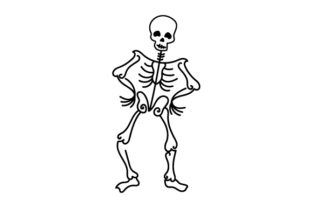
Skeleton Line Art Style for Halloween Crafts and Digital Sales
I recently evaluated a specific graphic design asset titled Skeleton Line Art Style while preparing my next seasonal collection for Etsy and my print-on-demand shop. As a digital product creator, I am constantly looking for assets that offer versatility without compromising quality. The prompt described this item as a funny design to create a variety of Halloween-themed crafts and design compositions, delivered in SVG, transparent PNG, and EPSD formats. My goal was to determine if this single file could serve as the cornerstone of a profitable commercial line or if it was better suited for smaller, niche projects.
Upon opening the files, the first impression was one of clean minimalism with a playful edge. This is not a heavy, gothic illustration filled with intricate shading; rather, it relies on simple lines to convey character. For a Halloween category, this approach is often superior because it allows buyers to easily integrate the image into their own designs. The visual personality feels modern and slightly whimsical, making it appealing to a broad audience ranging from parents buying party supplies to boutique owners creating apparel. It strikes a balance between festive and decorative, avoiding the overly scary aesthetic that limits market reach.
Real-World Application for Sellers and Creators
In a real online shop scenario, I tested how this digital product performs across different platforms. The versatility of the provided formats—specifically the SVG design and PNG design—makes it an ideal candidate for multiple revenue streams. If you are a Cricut user or a Silhouette enthusiast, the cut lines in the vector file are crucial. I found that the line weight was consistent, which means it cuts cleanly on vinyl for tumbler wraps, mugs, and tote bag prints. There were no jagged edges or floating pixels that would ruin a sublimation transfer.
For sellers focusing on printable wall art or planner stickers, the transparent PNG version proved its worth. I placed the design onto mockups of greeting cards and invitation templates. Because the background was already removed, the integration looked seamless. This asset works exceptionally well when paired with various typography styles. I experimented with a bold sans-serif font for a modern look and a handwritten script for a cozy, handmade business vibe. Both combinations elevated the perceived value of the final listing.
The potential uses extend far beyond simple clipart. You can bundle this illustration into seasonal collections for print-on-demand sites like Redbubble or Teespring. Imagine a set of matching graphics for nursery prints, social media promos, and blog graphics. A content creator could use these images to design a cohesive brand identity for a spooky-themed newsletter. Even small business owners looking to create custom packaging design elements will find this commercial design useful. The simplicity ensures that the skeleton remains the focal point without overwhelming text-heavy templates.
Strategic Product Presentation and Mockups
One of the most critical aspects of selling digital downloads is the presentation. Buyers cannot touch the file, so they rely entirely on your listing images and product mockup previews. When I used Skeleton Line Art Style in my thumbnail designs, it stood out against both light and dark backgrounds due to its high contrast. This visual hierarchy is essential for click-through potential in crowded creative marketplaces.
To maximize sales, I recommend testing the design in large product previews. A single image might be cute, but showing it applied to a wide range of items demonstrates its utility. Create a collage that features the design on a t-shirt, a mug, a tote bag, and a framed print. This helps the customer visualize the end result. Furthermore, using this asset in a bundle strategy can increase your average order value. You could pair it with complementary elements like pumpkins, bats, or autumn leaves to create a comprehensive design bundle.
Visual storytelling is another angle to explore. Instead of just selling the raw file, sell a solution. A listing that shows how to turn this clipart into a complete party kit or a DIY home decor project will resonate more with crafters. The "funny" aspect mentioned in the description is a strong hook; emphasize the humor in your copy to attract buyers who want something lighthearted for their holiday celebrations.
Navigating Technical Limitations and Risks
While this asset is robust, there are scenarios where caution is required. I had to carefully consider where this illustration should not be used. For tiny sticker details, the line thickness might be too subtle to register clearly at a very small scale. If you are designing a sheet of 0.5-inch stickers, the fine lines might disappear or become difficult to cut accurately.
Similarly, avoid placing this design on overly complex layouts or crowded thumbnails. If the background is too busy, the clean lines of the skeleton may get lost. Dark backgrounds can sometimes reduce visibility depending on the specific shade of black or grey used in the line art. Always verify the transparency of the PNG by zooming in to ensure there are no white halos around the edges, which can look unprofessional in high-resolution print products.
When preparing files for customers, organization is key. Ensure you provide clear instructions on how to open the EPSD and SVG files. Verify the resolution of the raster images before uploading them to your store. A low-resolution file can lead to refunds and negative reviews, which hurts your seller rating. Test print colors on actual paper or fabric to confirm that the ink density matches your expectations, especially if you are offering physical goods alongside digital ones.
Essential Seller Notes for Commercial Success
Before publishing any listing featuring Skeleton Line Art Style, I strongly advise verifying the commercial license. Not all digital assets allow for resale of finished products. Confirm that you have the right to sell items created with this design on platforms like Etsy, Creative Fabrica, or Shopify. Once cleared, test the design on real mockups to see how it translates from screen to reality.
Pairing the graphic with the right fonts is a game-changer for perceived value. Try combining the skeleton with a display font for headlines and a serif font for body text to create a balanced composition. This attention to detail signals professionalism to your customers. Additionally, check how the design behaves when scaled down for social media graphics or website headers. A design that looks great on a poster might need adjustments to work effectively as a favicon or a profile picture.
Finally, remember that consistency builds trust. If you decide to build a brand around this style, ensure all your future design assets maintain a similar level of quality and aesthetic. Use Skeleton Line Art Style as a foundation for a cohesive series of products. Whether you are creating a design bundle for scrapbooking kits or a set of promotional visuals for a blog, maintaining a unified look will help your small business branding stand out in a saturated market.
This review confirms that Skeleton Line Art Style is a valuable addition to any digital creator's toolkit. Its adaptability makes it suitable for everything from Cricut projects to high-end product mockups. By understanding its strengths and respecting its limitations, you can leverage this asset to create a professional-looking online product collection that drives sales and satisfies your customers.