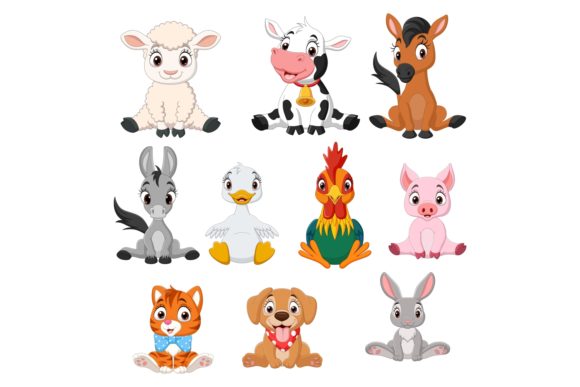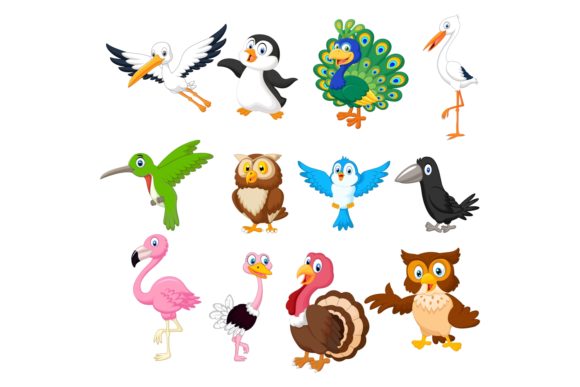
Set of Twenty-three Cute Birds Animals
When I first opened the folder for the Set of Twenty-three Cute Birds Animals, I wasn't just looking at a list of clipart; I was immediately thinking about the stitch density and how these shapes would translate from a flat screen to a physical piece of fabric. As a designer who has spent years testing digital assets on embroidery machines, my first instinct is always skepticism mixed with curiosity. Will this hold up under tension? Will the details get lost in the thread? This pack, featuring everything from a majestic peacock to a tiny hummingbird, promises a lot of visual personality, but the real test happens when the needle starts moving.
The mood created by this collection is undeniably cheerful and whimsical. It feels like something you would find in a high-end children's boutique or a trendy craft fair booth. The variety of species—cardinal, blue bird, parrot, swallow, sparrow, robin, peacock, seagull, hummingbird, colibri, macaw, toucan, eagle, stork, crane, penguin, and owl—offers a versatility that is rare to find in a single download. For an Etsy seller or a small business owner, this isn't just a graphic; it is a potential brand identity waiting to be stitched into existence.
From Screen to Stitch: A Real-World Scenario
Let me walk you through a specific project scenario where I tested the viability of these designs. Imagine you are preparing a custom order for a client who wants a matching set of baby gifts: a onesie, a bib, and a small pillow cover. They want a "woodland nursery" theme but with a modern twist. You decide to use the Set of Twenty-three Cute Birds Animals as the central motif.
The challenge here is scale. A design that looks perfect on a computer monitor can look muddy when shrunk down for a baby bib. However, the cartoon style of this pack works surprisingly well because the lines are generally bold and the features are exaggerated. When I simulated stitching the owl and the cardinal onto a soft cotton muslin, the fill stitches held their shape without excessive puckering. The running stitch outlines provided enough definition to keep the birds recognizable even on smaller surfaces.
But what if you wanted to go bigger? Picture a large tote bag for a local market. Here, the larger birds like the toucan, macaw, or peacock shine. The tail feathers of the peacock allow for beautiful texture work using long and short satin stitches, which adds a premium feel to the finished product. Customers buying handmade goods are often looking for that tactile quality—the difference between a printed transfer and actual embroidery. With this pack, you have the opportunity to create a product that feels substantial and expensive, elevating your custom apparel or embroidered patch offerings significantly.
Where These Designs Shine Best
This collection is particularly strong for products that benefit from a playful yet professional aesthetic. If you are a craft business owner looking to expand your inventory, these graphics fit seamlessly into several categories:
- Apparel Decor: Sweatshirts, t-shirts, and aprons for kitchen staff or hobbyists love the colorful nature of the parrots and cardinals.
- Nursery and Kids Items: The penguin, owl, and robin are natural fits for baby embroidery projects like booties, blankets, and wall hangings.
- Holiday and Seasonal Gifts: The variety allows for seasonal themes, such as using the snow-loving penguins for winter or the bright macaws for summer beach vibes.
- Boutique Branding: Small shop owners can use these as subtle accents on tags, labels, or the front pocket of a garment to add character without overwhelming the design.
The key advantage here is the diversity. Instead of buying five different files to create a cohesive collection, you have a unified set of design assets that share a similar artistic voice. This consistency helps build trust with buyers who recognize your style across different items.
Practical Pitfalls and Where to Be Careful
While the potential is high, every experienced designer knows that not every file is ready for the hoop immediately. There are specific scenarios where the Set of Twenty-three Cute Birds Animals requires extra caution. First, consider the hoop size. If you attempt to stitch one of the more detailed birds, like the hummingbird or the sparrow, on a very small surface area, the machine might struggle to differentiate the eye from the beak. Always check the stitch density before committing to a final run.
Fabric choice is another critical factor. Textured fabrics, such as heavy denim or bouclé, can hide the fine details of the cartoon style. Similarly, thin or stretchy fabrics like jersey knits require a robust stabilizer strategy. Without proper support, the weight of the thread in a dense fill stitch could cause the fabric to warp, ruining the finished product. Dark fabrics present their own challenge; unless the file includes a high-quality underlay and light-colored thread options, the colors might appear dull or muddy against a black background.
Curved surfaces, like caps or hats, also demand attention. While the rounded shapes of the birds generally adapt well to curvature, intricate corners might distort if the digitization doesn't account for the curve radius. If you are creating an embroidery project for a cap, ensure you have a dedicated hat hoop and that the design file is optimized for 3D shaping.
Professional Notes for the Savvy Designer
Before you start selling these as part of your commercial embroidery line, there are essential steps you must take to protect your reputation. First, always test the design on scrap fabric that matches your intended production material. This simple step reveals issues with thread tension, color contrast, and stitch clarity that you cannot see on a screen.
Review the thread colors carefully. Does the file include enough variations to make the birds pop? If the original file relies heavily on a specific color palette, you may need to manually adjust the threads to match your inventory. Also, inspect the small details. Are the eyes distinct? Is the beak clear? If the design is too complex for the resolution of your machine, you might need to simplify the applique design elements or reduce the number of stitches.
Don't forget to check the licensing terms. Just because you bought the file doesn't automatically mean you can sell unlimited quantities of the finished item. Confirm whether the license covers commercial use, especially if you plan to offer personalized gift services where customers choose their own names or dates. Using a file without the correct permissions can lead to legal trouble and damage your brand consistency.
Finally, think about the customer experience. A well-executed embroidery job using these cute birds creates a sense of joy and appreciation. When a customer receives a tote bag design or a sweatshirt embroidery piece that is crisp, clean, and vibrant, they are more likely to leave a positive review and return for future purchases. The visual appeal of the Set of Twenty-three Cute Birds Animals lies in its ability to bring a smile, but it is the technical execution that turns that smile into a loyal customer.
In conclusion, this pack is a valuable addition to any digital embroidery file library. It offers a broad range of subjects that cater to various demographics, from babies to adults. By approaching the design with a critical eye regarding fabric, stabilization, and detail, you can transform these digital illustrations into tangible, high-value products that stand out in a crowded marketplace.